Garage door seals in Lubbock: the line of dust on the floor and how to stop it
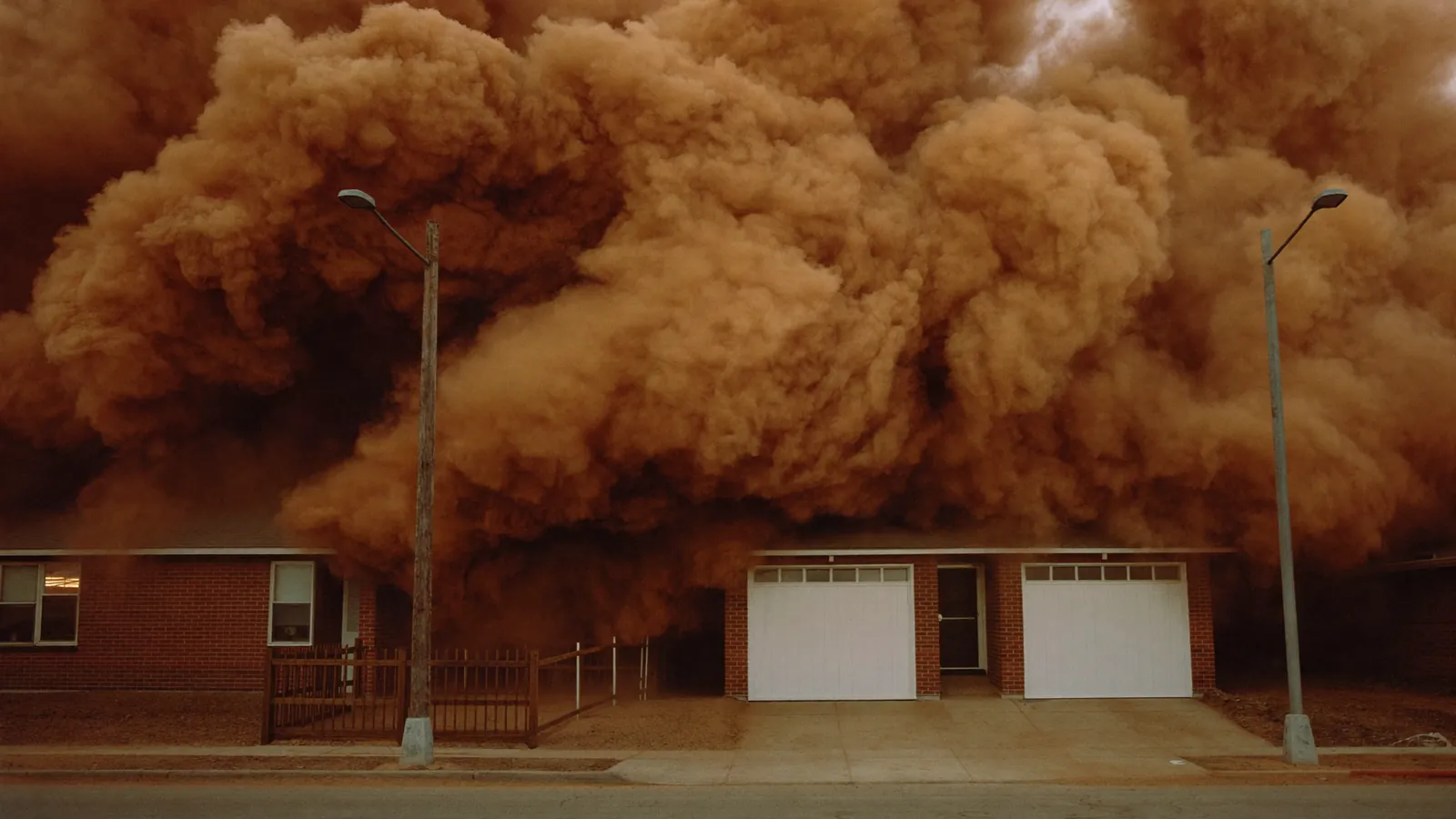
After a windy day there is a line of fine red-brown dust along the inside of the garage door, daylight at one corner and a draft you can feel in January. The seals have gone. On the South Plains they go early, because the same grit that wears the rollers abrades the rubber, and the sun finishes the job. Replacing them is one of the cheapest, most noticeable repairs a Lubbock garage gets.
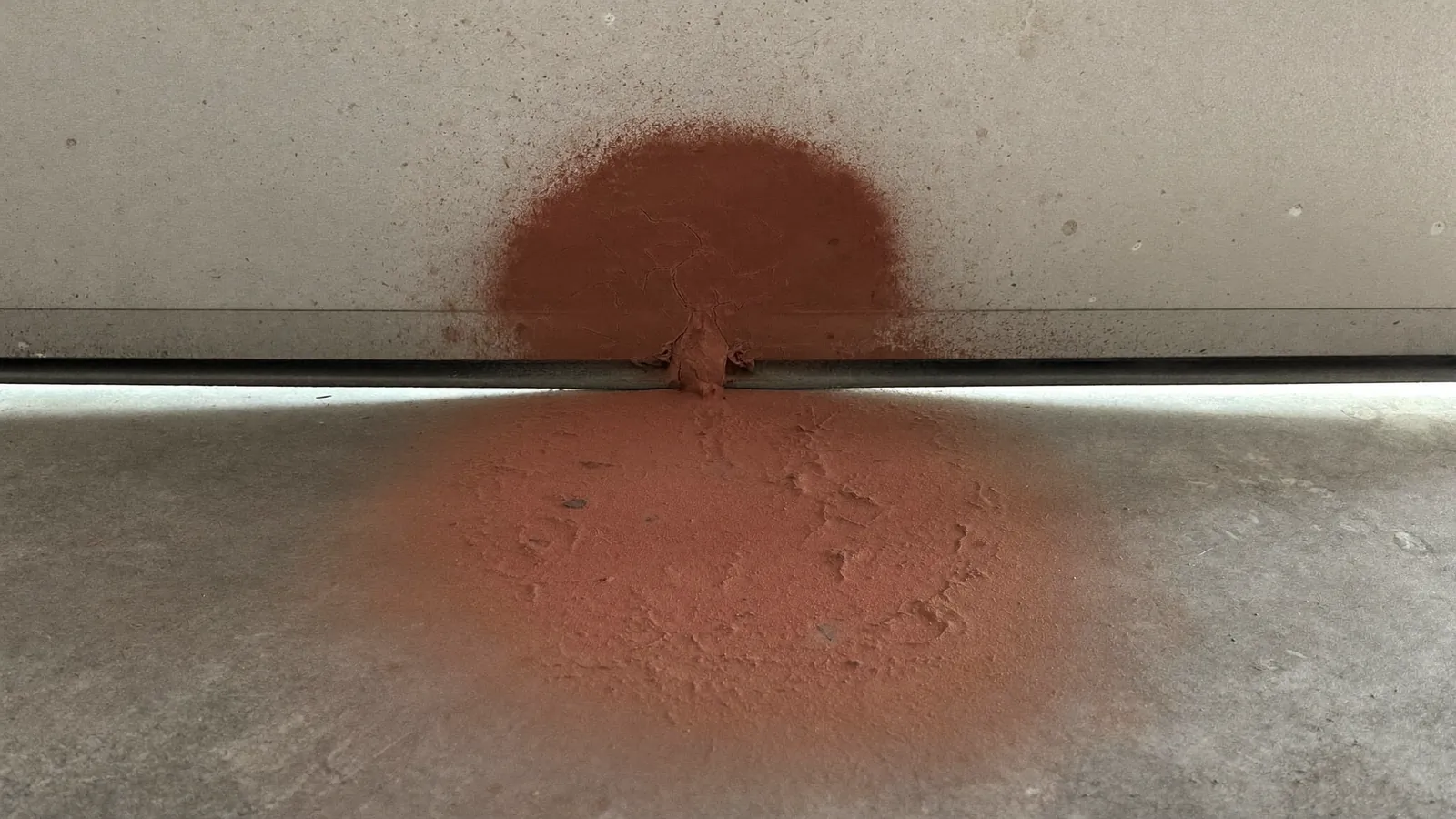
A garage door has four seals. The bottom seal is a rubber or vinyl astragal in a retainer along the bottom of the door, and it does the most work: it has to compress against a concrete floor that is rarely perfectly flat, and it takes the wind-driven grit every time the door closes on it. The side seals and top seal are vinyl flaps on the jambs and header that the door closes against. And where the floor has dropped or heaved, a threshold, a raised rubber strip glued to the slab, closes the gap the bottom seal cannot reach. When any of them crack, flatten or tear, the dust comes in, the heat and cold come in, and the garage, and whatever is stored in it, lives in the weather.
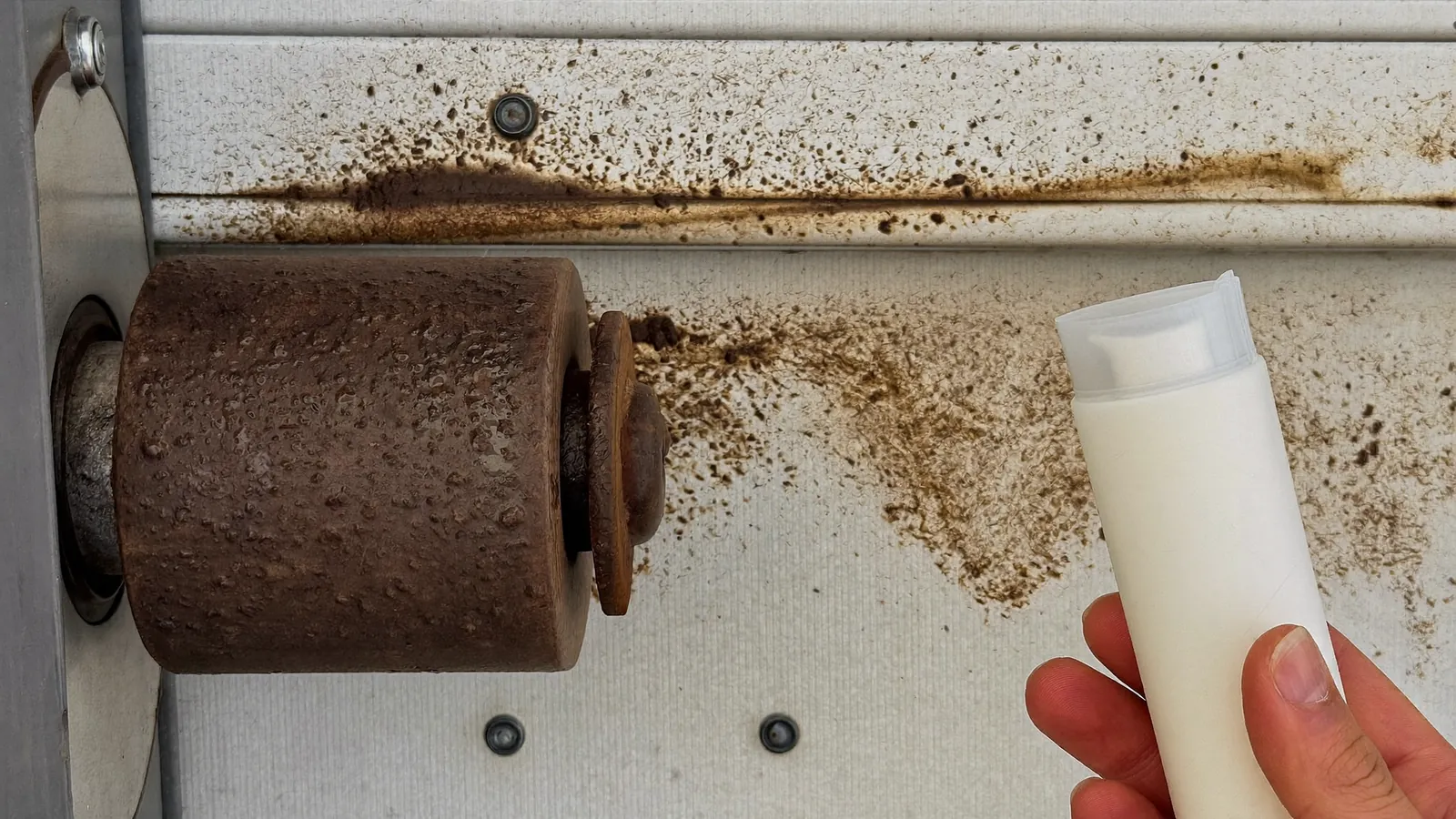
Lubbock seals fail two ways. Abrasion: grit under the bottom seal grinds it every cycle, and a seal that would last fifteen years in Houston goes in eight here. Ultraviolet: at 3,200 feet with a mostly clear sky, the sun hardens and cracks vinyl, so the side and top seals on a south- or west-facing door split along their length. Then there is the slab. When the garage floor moves with the seasons, the gap under the door changes from one corner to the other, and a standard seal that was fine in April shows daylight at one side in August. That is where a threshold or a taller bulb seal comes in, and where an honest technician measures the floor before choosing a seal.
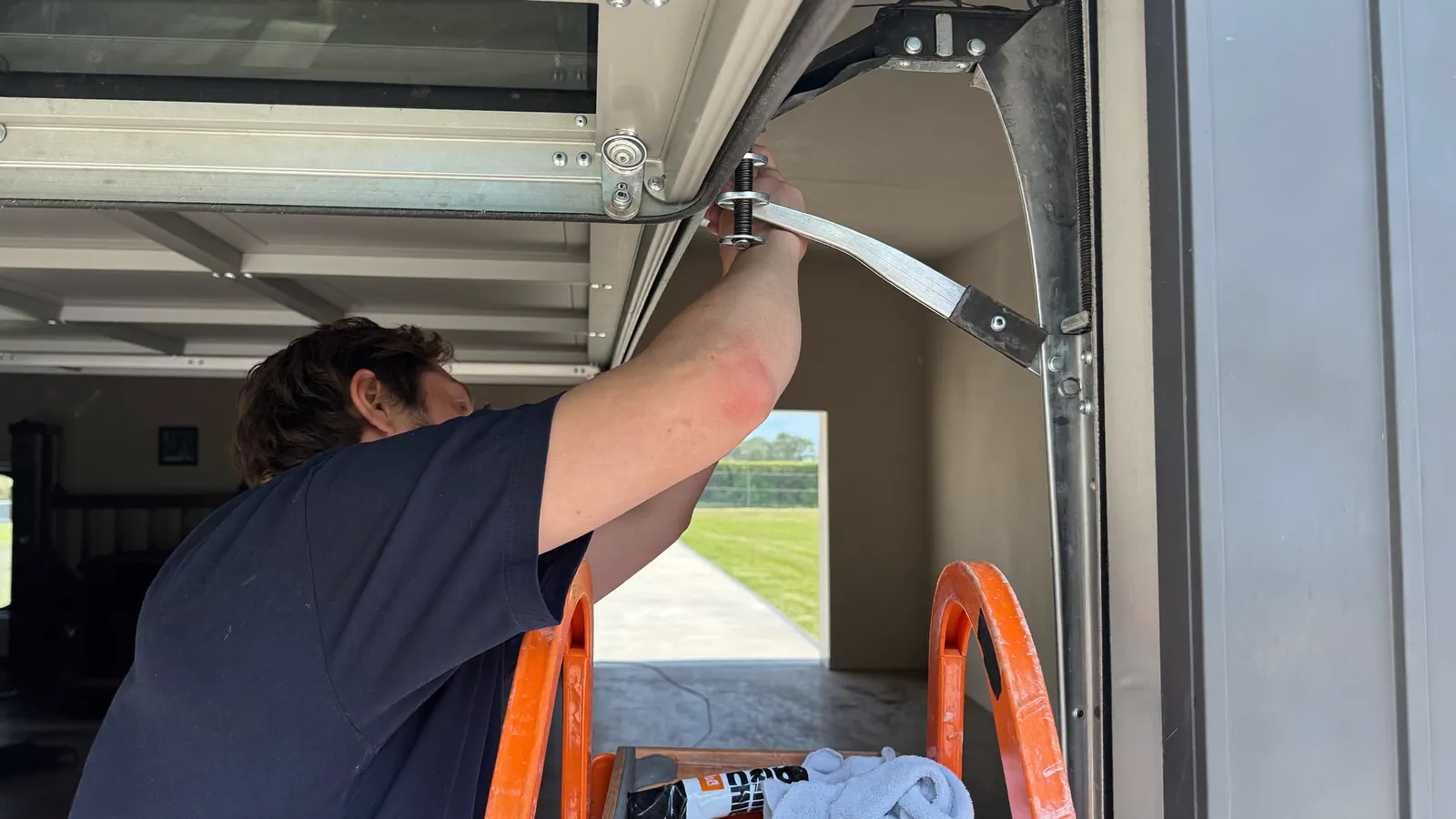
Replacement is quick: the old bottom seal slides out of its retainer and a new one slides in, the retainer itself replaced if it is bent or corroded; side and top seals are pulled and new ones nailed or screwed to the jambs with the flap set to just touch the door; a threshold is cut to length, dry-fitted with the door closed to confirm it seals the gap, and glued down. The technician chooses the bottom seal profile for the retainer the door has, and a heavier bulb where the floor is uneven. Seals are quoted on site by door width; they are a small-ticket job and we do them as part of tune-ups and new doors as a matter of course.
What seals cannot fix is a door that is out of square with the opening because the slab has moved a lot, or a door whose bottom section has rusted through behind the seal. The technician will say so, and in the second case a bottom section or a new door is the conversation. In the first, the out-of-square guide explains what is happening under the house.
What the visit covers
Bottom seal
New bulb or T-type seal matched to the retainer, heavier profile where the floor is uneven; bent or corroded retainers replaced.
Side and top seals
Sun-cracked vinyl flaps replaced and set to just touch the door, so the wind stops whistling and the light stops showing.
Threshold
Raised rubber threshold dry-fitted with the door closed, then glued, where the slab has left a gap no seal reaches.
Floor measured
The gap under the door checked across its width, because a moving slab makes one seal profile right and another wrong.
Dust line gone
Garage swept of the dust line as the last step so you can see whether the next windy day gets in.
Rust checked
Bottom section inspected behind the old seal for rust-through before a new seal is fitted over it.
Weather seals and dust prices in Lubbock, TX
| Job | 2026 range | What changes it |
|---|---|---|
| Bottom seal, replaced | Quoted on site | Door width, seal profile, retainer |
| Bottom seal retainer, replaced | Quoted on site | Bent or corroded aluminum |
| Side and top seal set | Quoted on site | Door size, jamb condition |
| Threshold, fitted and glued | Quoted on site | Door width |
| Full seal package with a tune-up | Quoted on site | Best value; see the tune-up page |
| Service call | $75 – $175 | Folded into the work |
| Bottom section replacement where rusted through | $250 – $1,000 | See panel replacement |
These are 2026 ranges from a published garage door cost guide, for budgeting. The technician quotes your door on the driveway before any work, parts and labor written out. The service call is folded into the repair when you go ahead; new doors and openers get a written quote good for 30 days.
From the truck
Asked about weather seals and dust
Why do I get dust in the garage with the door shut?
The seals. A flattened or cracked bottom seal, a split side seal or a gap at one corner where the floor has dropped lets wind-driven dust straight in. New seals and, where needed, a threshold stop it.
How long do seals last here?
Shorter than elsewhere. Grit under the bottom seal and sun on the side seals mean eight years is good going. They are cheap to replace and checked on every tune-up.
There is daylight at one corner but not the other. Why?
The floor has moved, usually with the slab's seasonal shift. A taller bulb seal or a threshold closes the gap. If the gap is large and growing, the opening may be out of square and the guide on that explains it.
Can you do the seals while you are here for something else?
Yes, and it is the usual way. Seals are part of every tune-up and every new door, and can be added to any repair visit.
Will new seals help with the heat?
Some. Sealing the gaps stops hot wind blowing in, which helps a garage that faces west. Insulating the door matters more; see the new door page.
Do seals stop water?
The bottom seal and threshold keep driven rain and runoff out when the driveway slopes toward the door. In a heavy South Plains storm with the wind behind it, a threshold is the thing that makes the difference.